In its diversity, complexity and political attraction, the province of South Tyrol in Northern Italy has always been a bit of a mystery to me. I was born there 28 years ago and after living abroad for nearly a decade now I was able to have a different perspective and maybe even slowly starting to understand its complex social structures.
South Tyrol has been part of Austria-Hungary until Italy annexed it in 1919. Quite uniquely situated in the middle of Europe on the boarder to Austria and Switzerland, South Tyrol is a now a fairly autonomous province with Italian and German (Austrian) speaking inhabitants/locals.
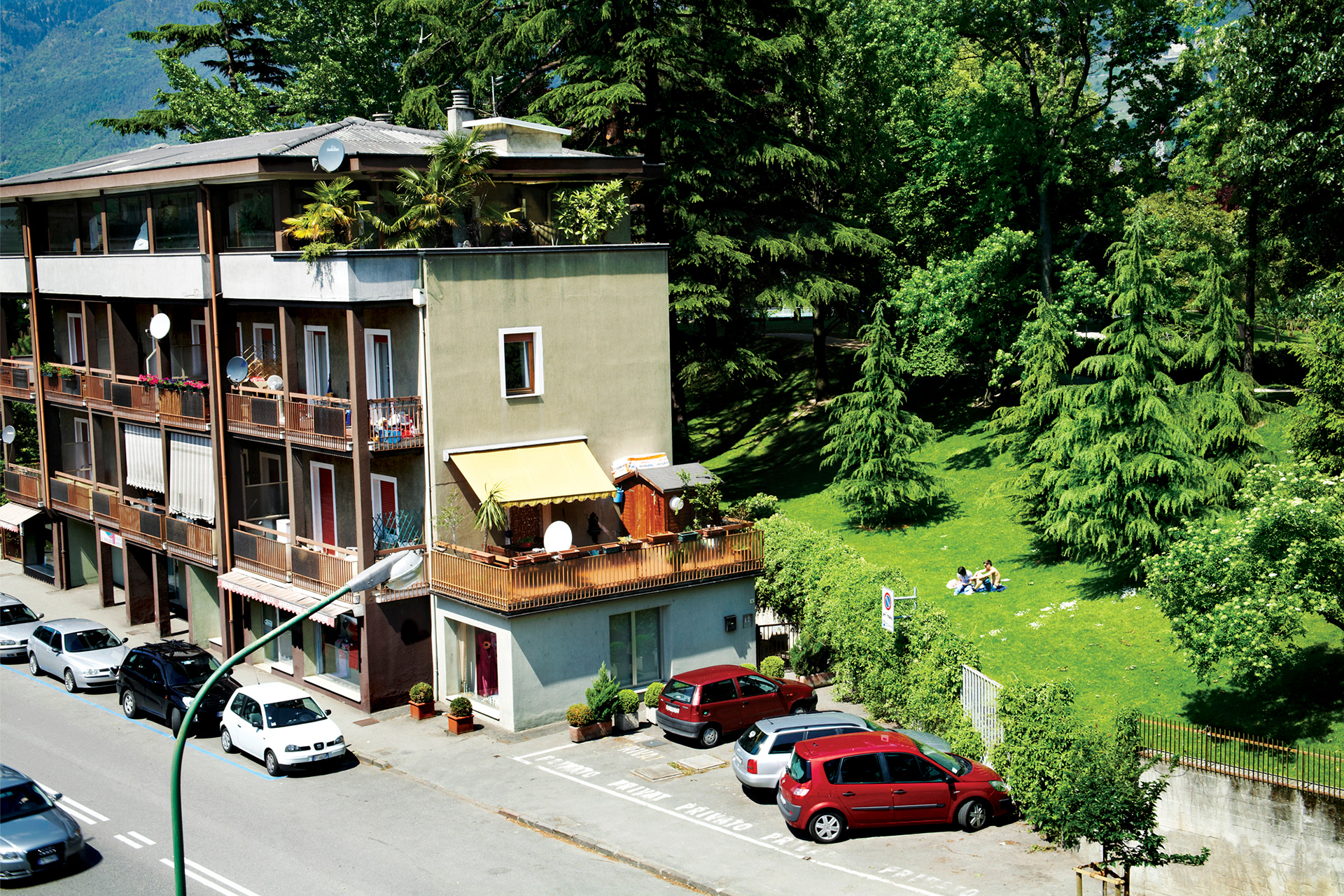
The last decades have been turbulent and marked by conflicts and the so-called South Tyrol question was even taken up by the United Nations in 1960. The situation is fairly peaceful now but living together of the two ethnic groups is more a living separately. There are nearly no bilingual schools and in some more rural communities even “mixed” marriages are a taboo. Learning and appreciating the other culture and language is often associated with giving up its own culture and identity and parties of both sides are profiting from the fear of the other.
As a child growing up close to the Austrian border I never really understood why we are Italians even though we didn’t speak the language. I couldn’t quite grasp why we were once Austria and now Italy? I was often wondering how they managed to move a whole country to Italy? Nobody in my family or town spoke Italian apart from the two “Carabinieris”. I was first confronted with the Italian language at the age of five and only realizing the whole dimension of the annexation, the challenges and changes it has caused in our society and culture much later.
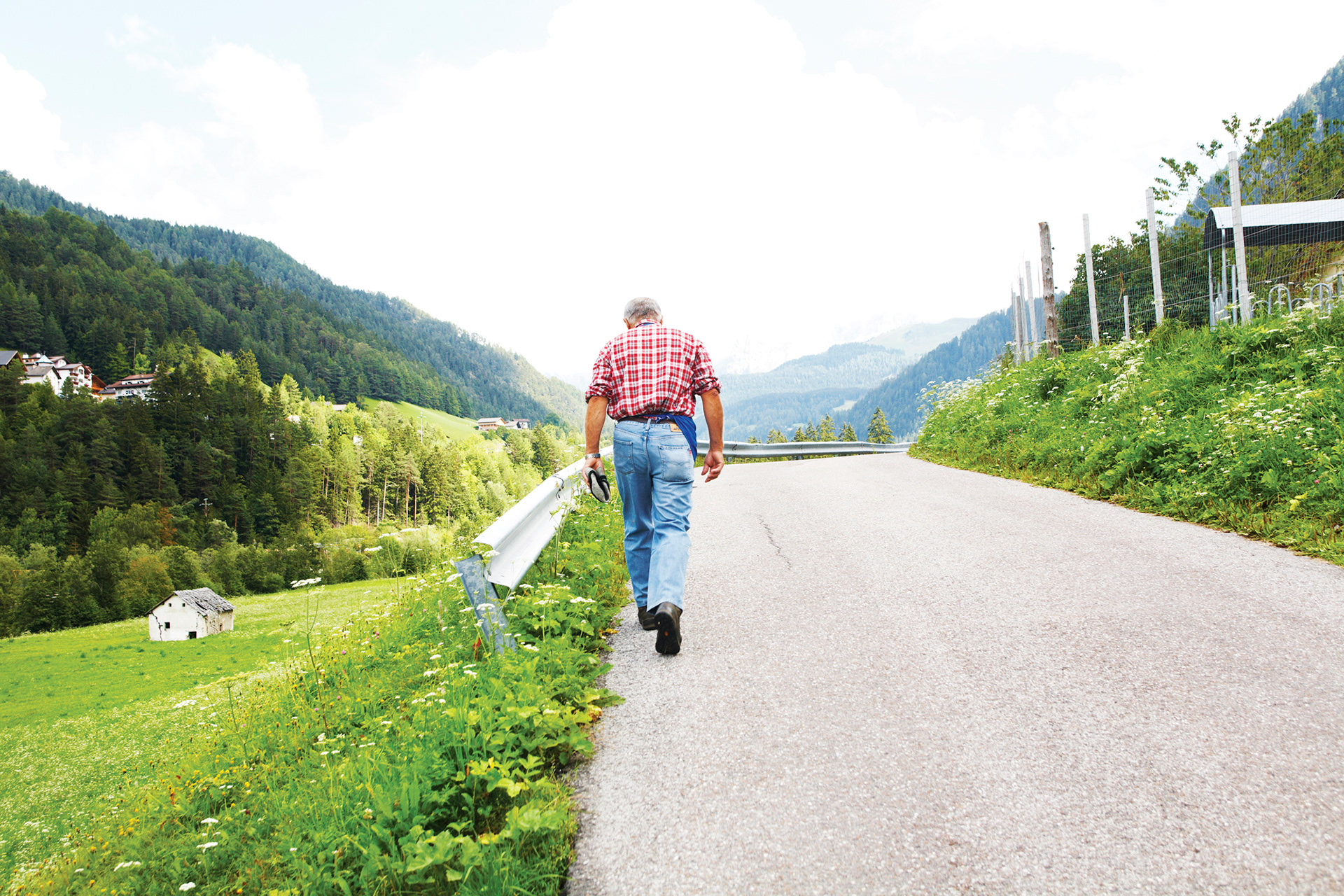
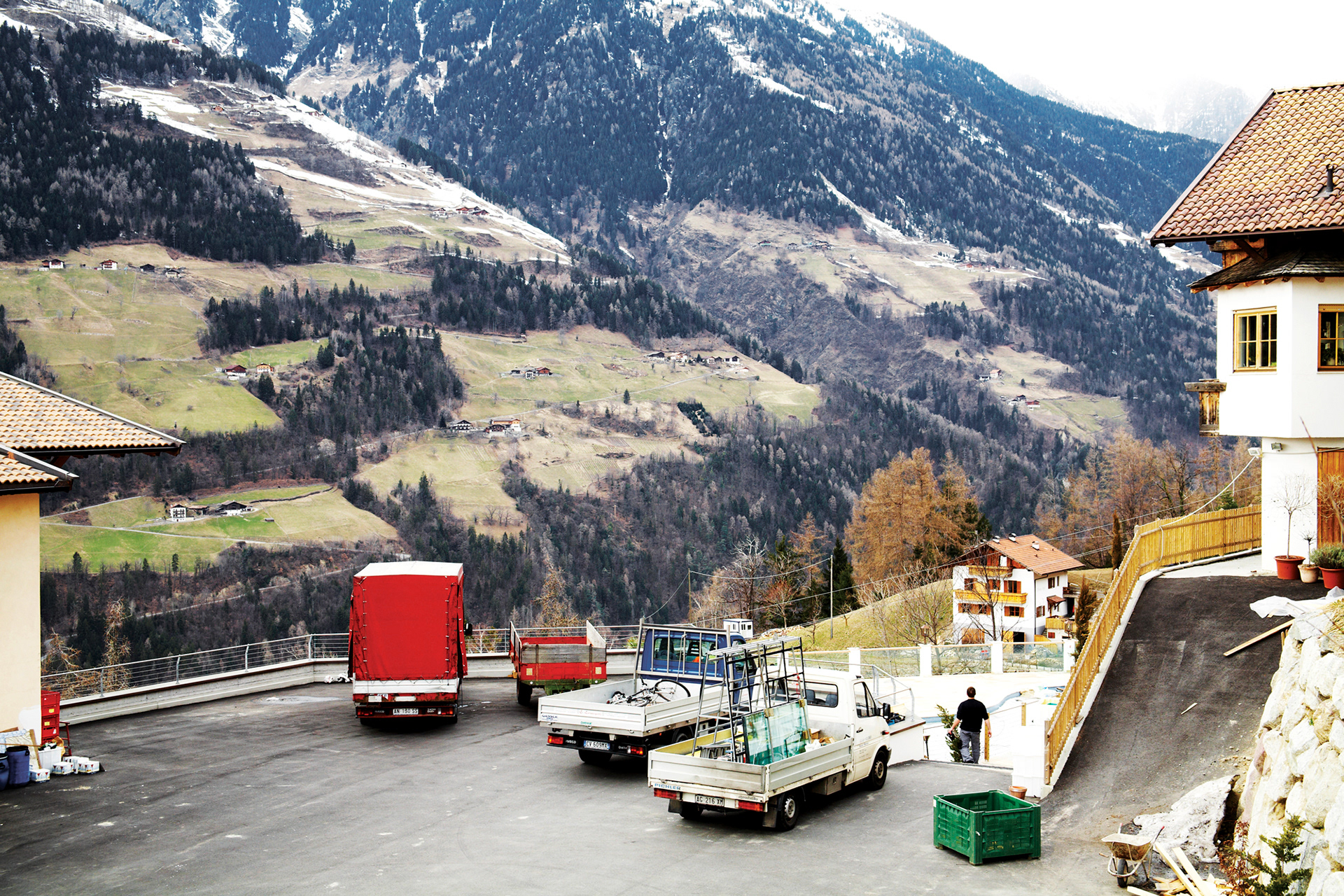
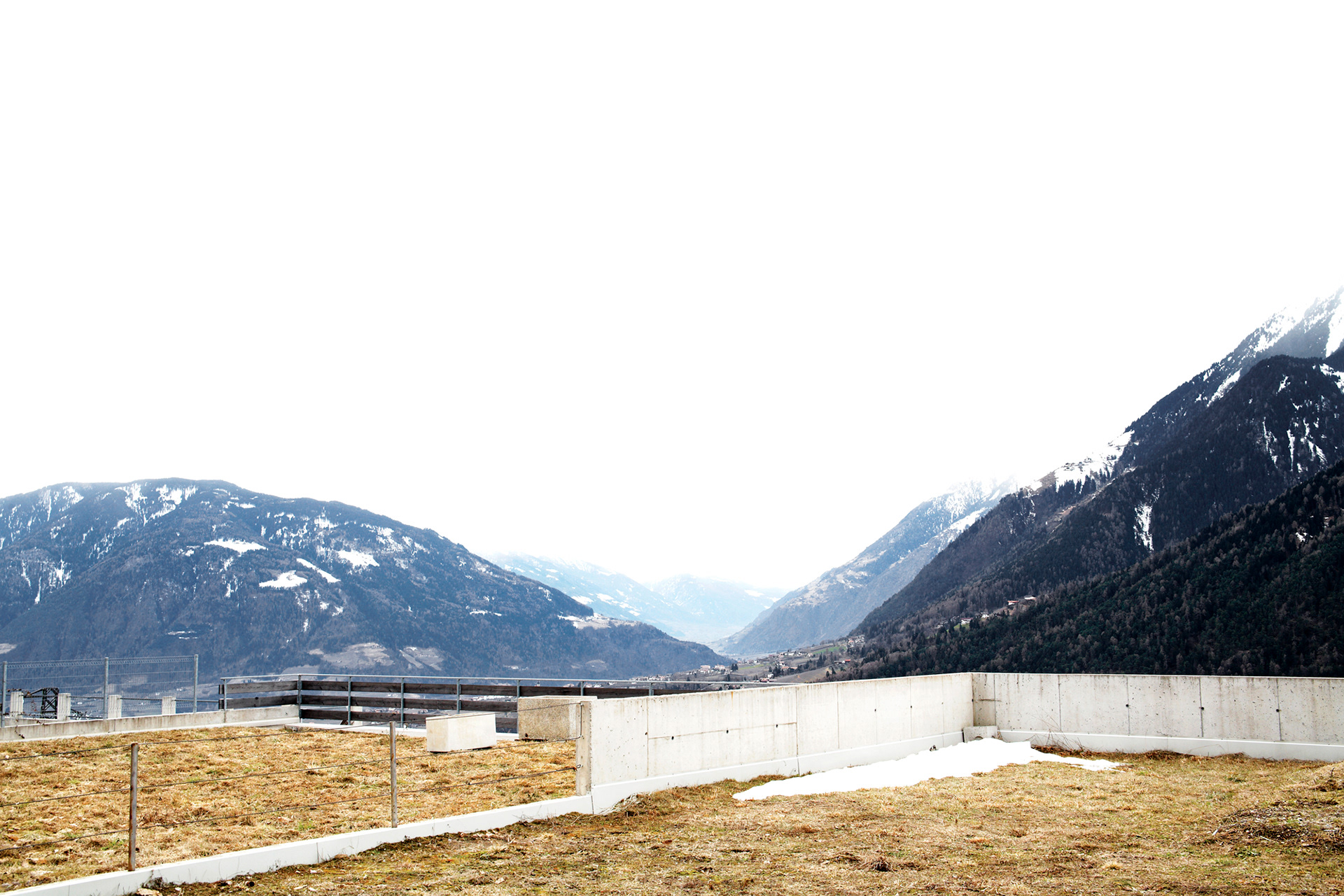
Nowadays South Tyrol is mostly know for its tourism, whether its winter skiing or summer hiking. German and Austrian tourists love the fact that they are in Italy but can still communicate in their mother tongue. Obviously Italian culture and cuisine is also present in South Tyrol adding to the attraction. Italian tourists appreciate that they are still in Italy, are mostly understood but can experience a completely different side of Italy. The amazing countryside, the mountains and the prosperous village communicate an image of an idyll in the middle of an uncertain world. We love to promote ourselves as a safe haven without any real problems like crime or pollution.
Mainly through tourism but also through globalization South Tyrol has radically changed in the last decades: from a province of farmers living on high altitude farms (often only reachable by cable cars) to a once of the richest provinces in Italy with an own (albeit small) airport and even a university. The many tiny rural villages with a very religious and conservative population stand in juxtaposition to the towns of Merano and Bolzano, where a bilingual society is trying to establish. Even though the internet and satellite television has reached the smallest towns, the inhabitants hold on to their traditional and patriarchal values.
Just like Denis Laner I have been fortunate enough to see the developments in South Tyrol from the outside, to return from Germany or Austria or England with new perspectives and seeing how this remote island is trying to develop. So many of my friends and acquaintances live abroad now, travel, study abroad and have foreign partners. Slowly change is coming and even reaching the furthest farms whether it is wanted or not.
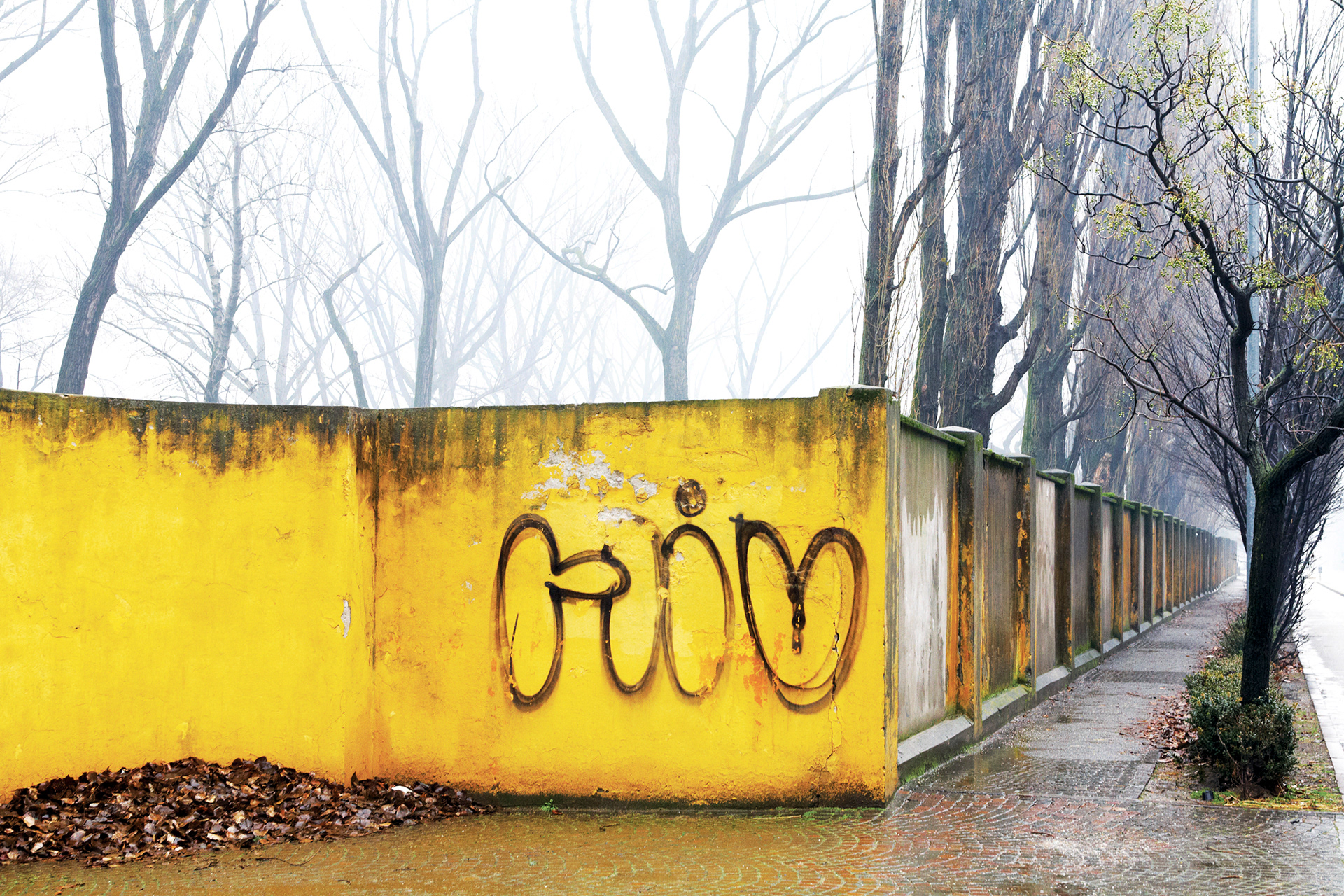
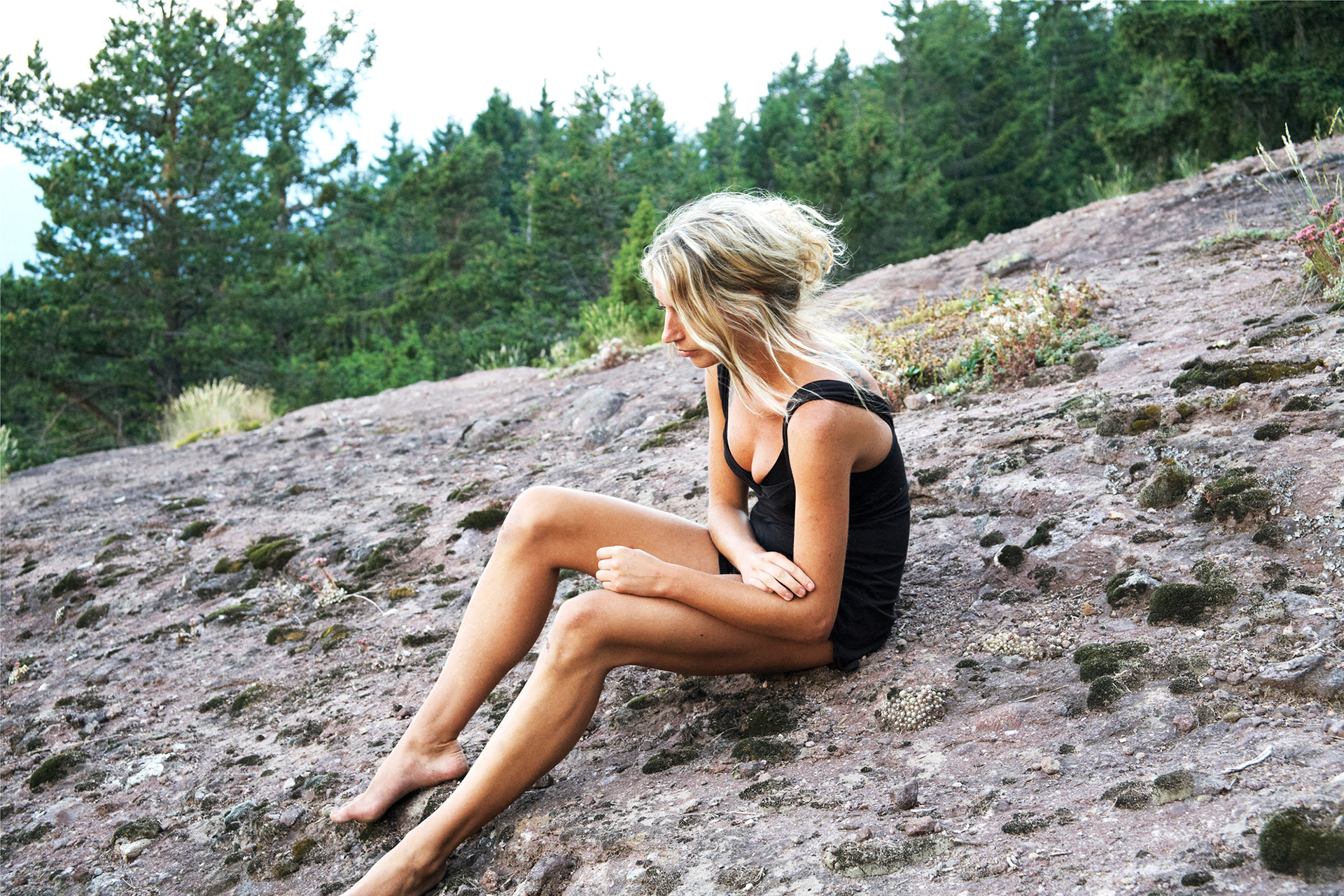
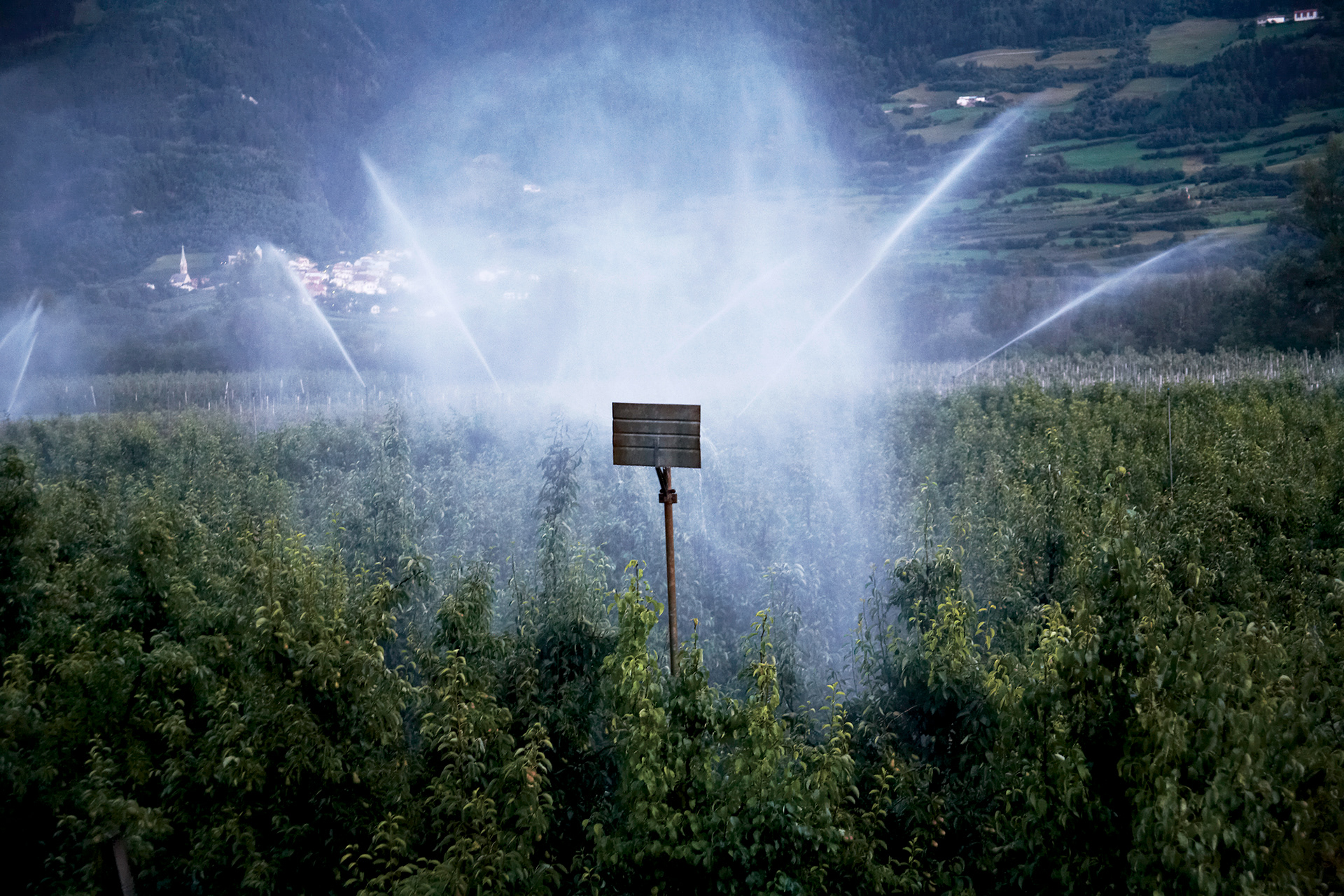
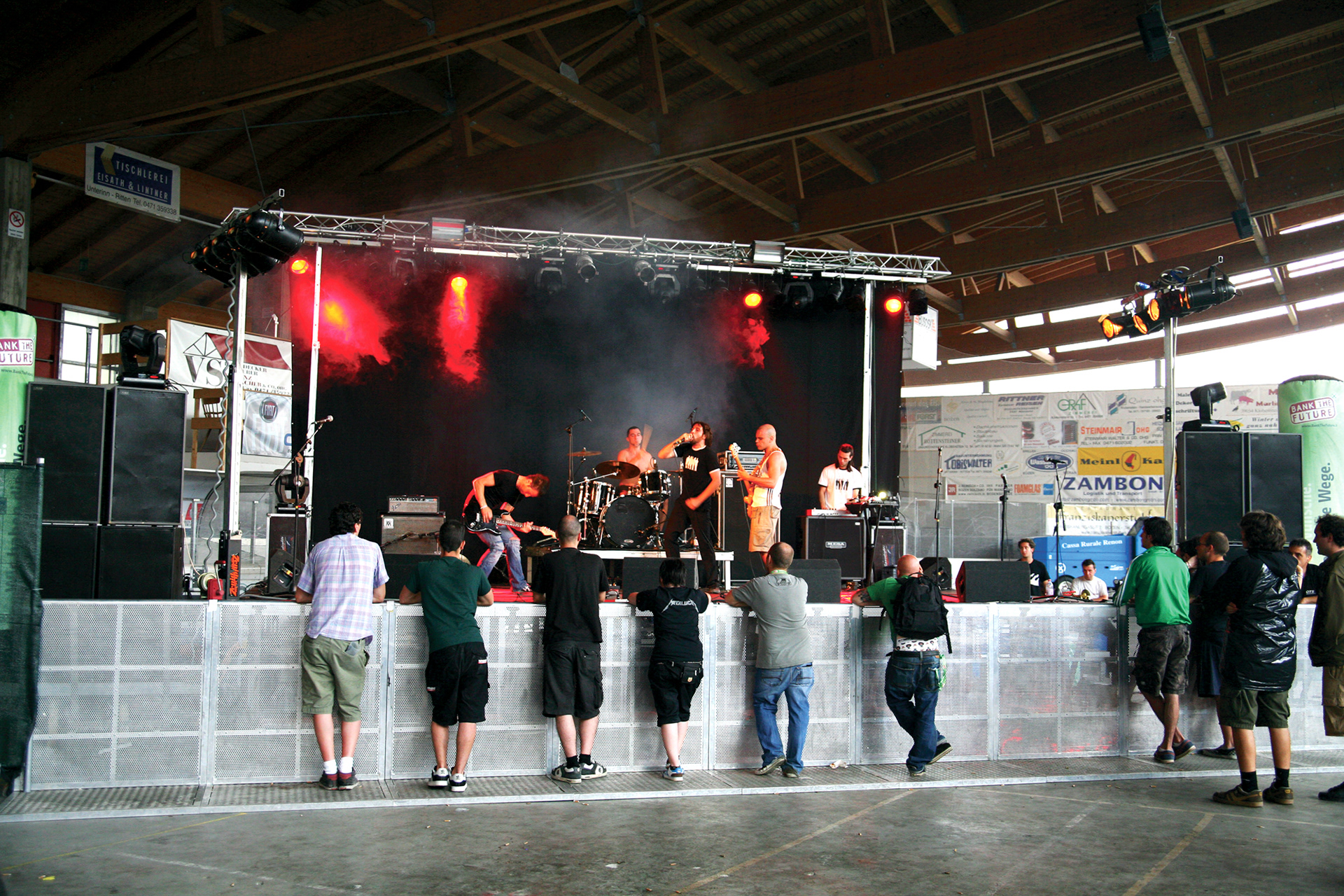
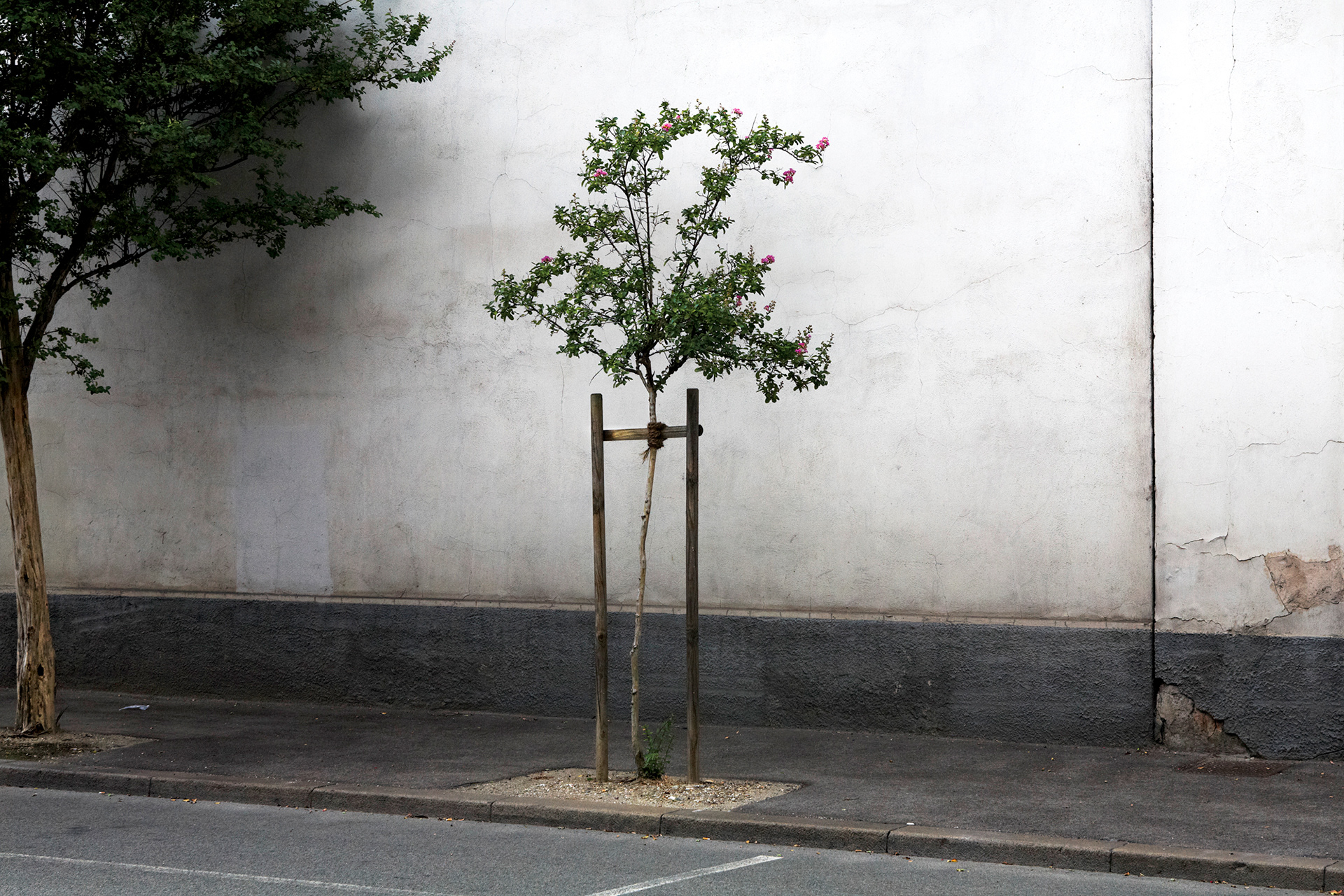
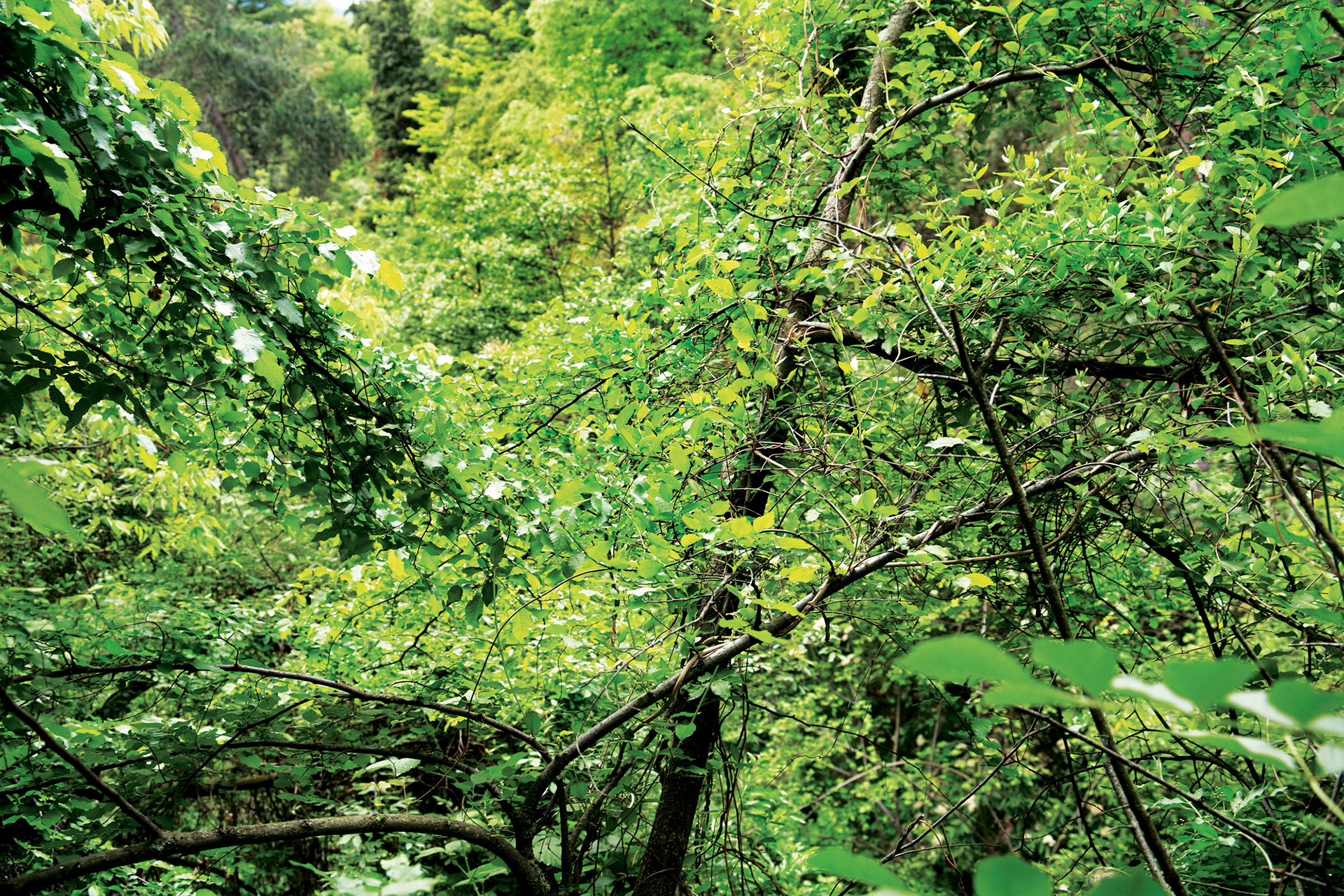
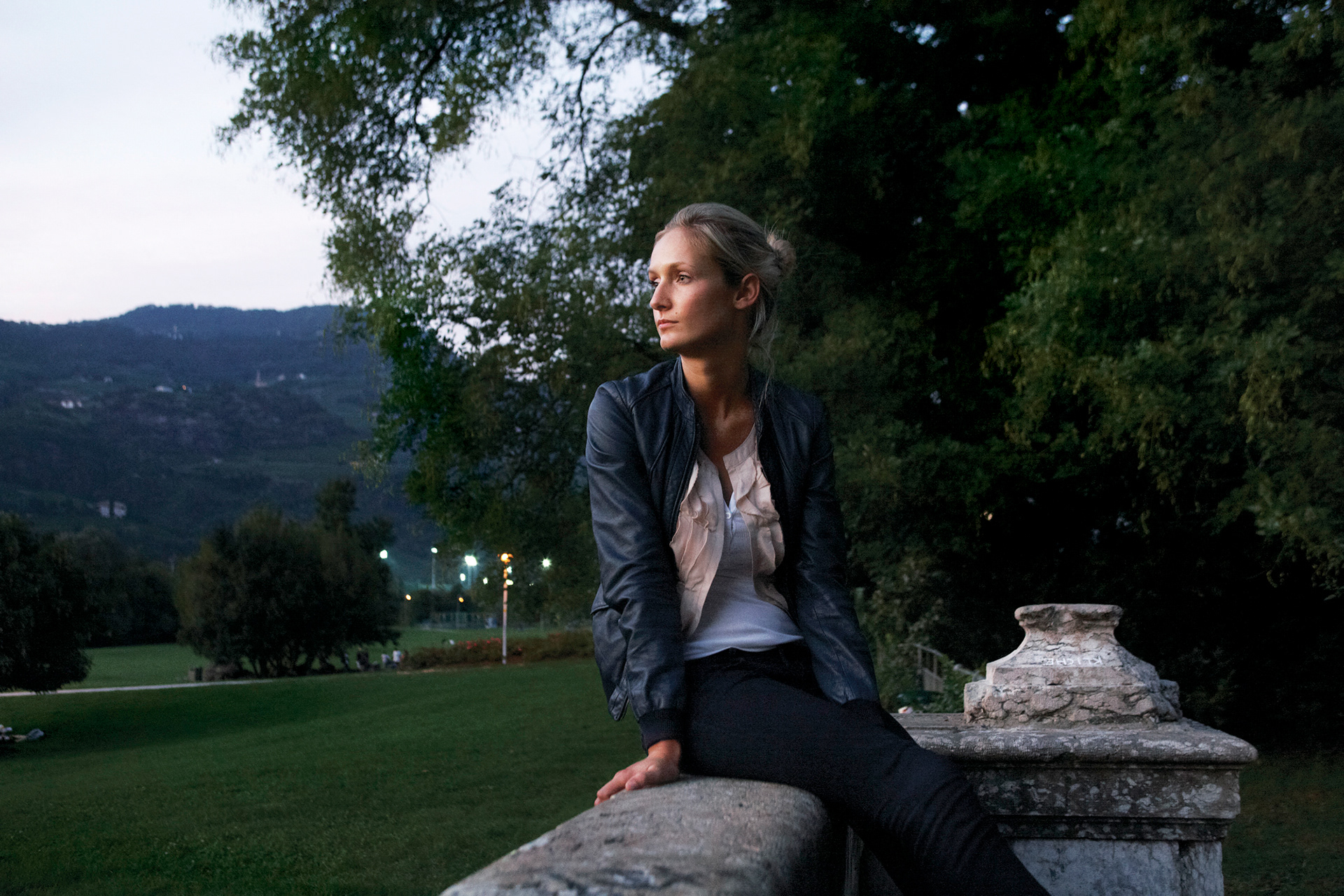
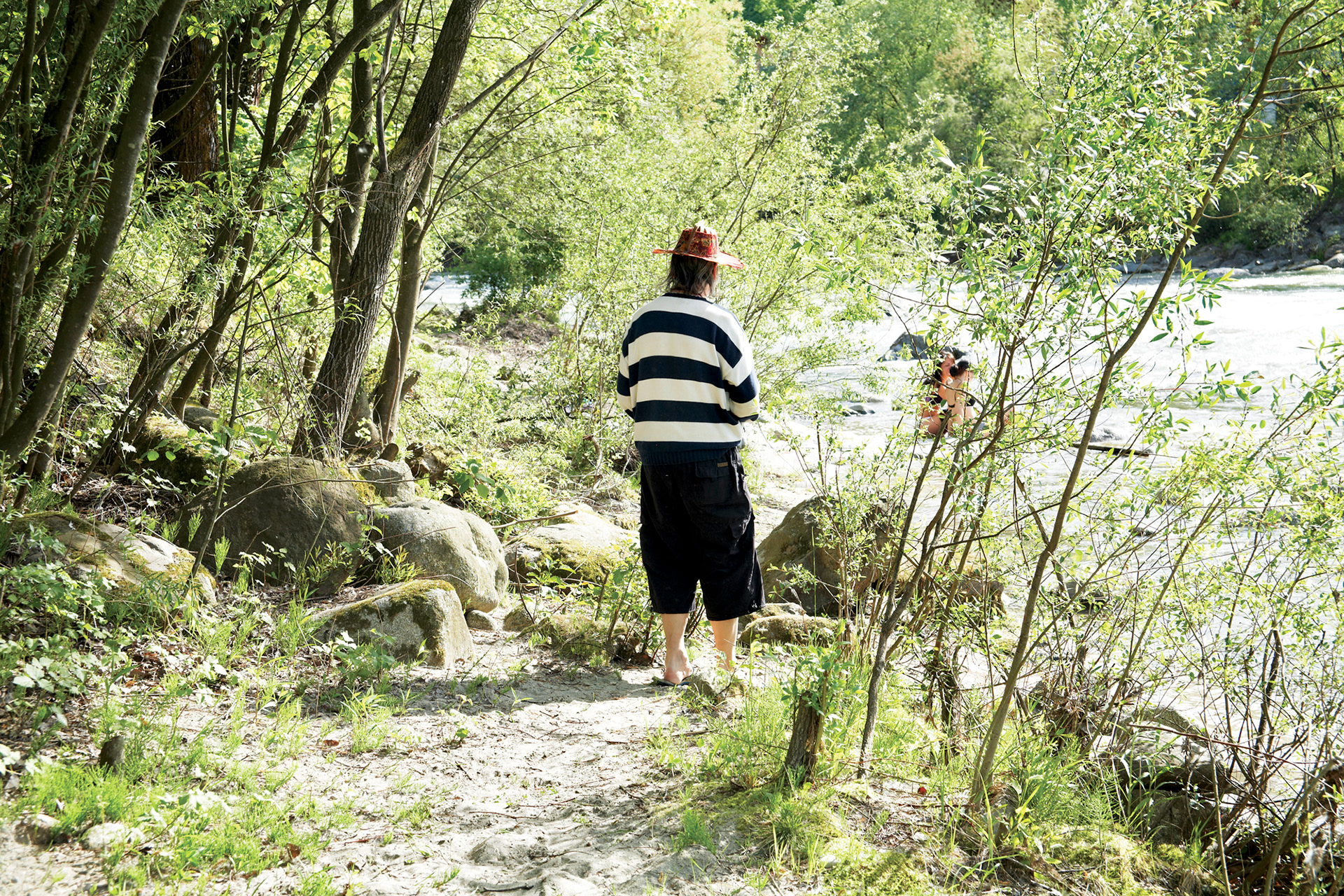
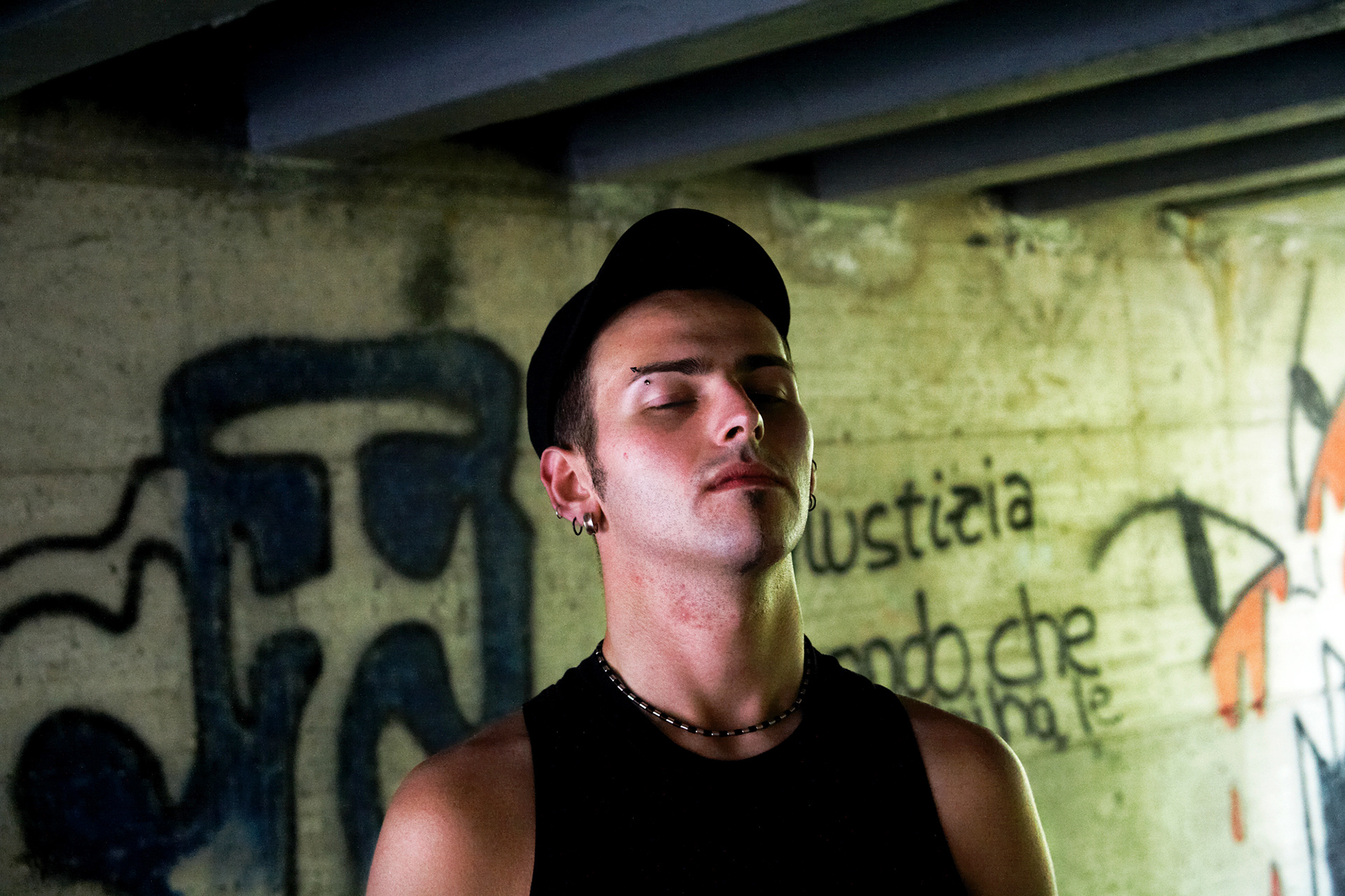
So it is in Denis Laner’s intent to deliver a glimpes into the lives of South Tyroleans, considering their history and possibly giving a first look at the future to come. He is not trying to judge or to give answer, but to portrait a complex society with their challenges.
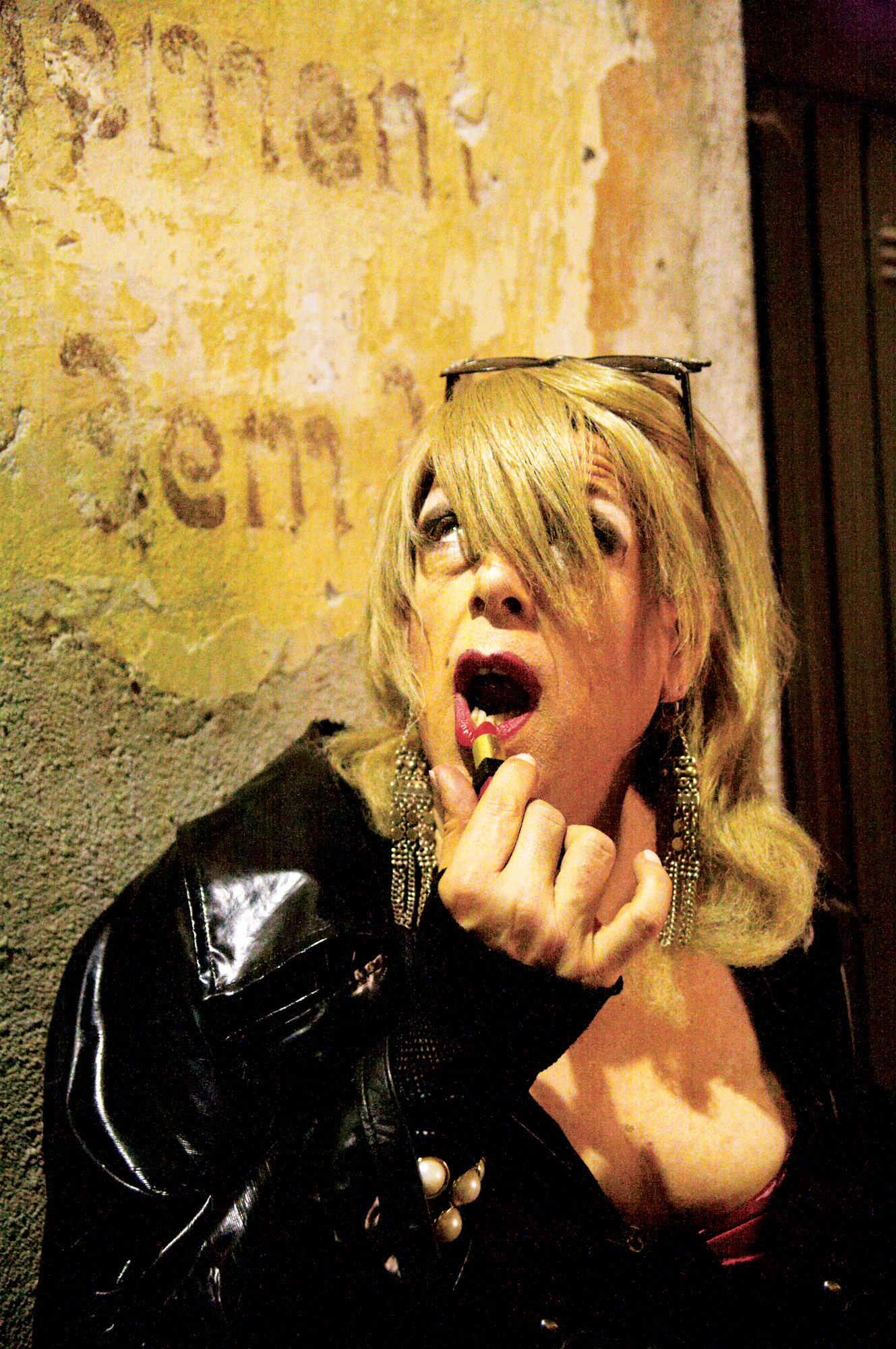
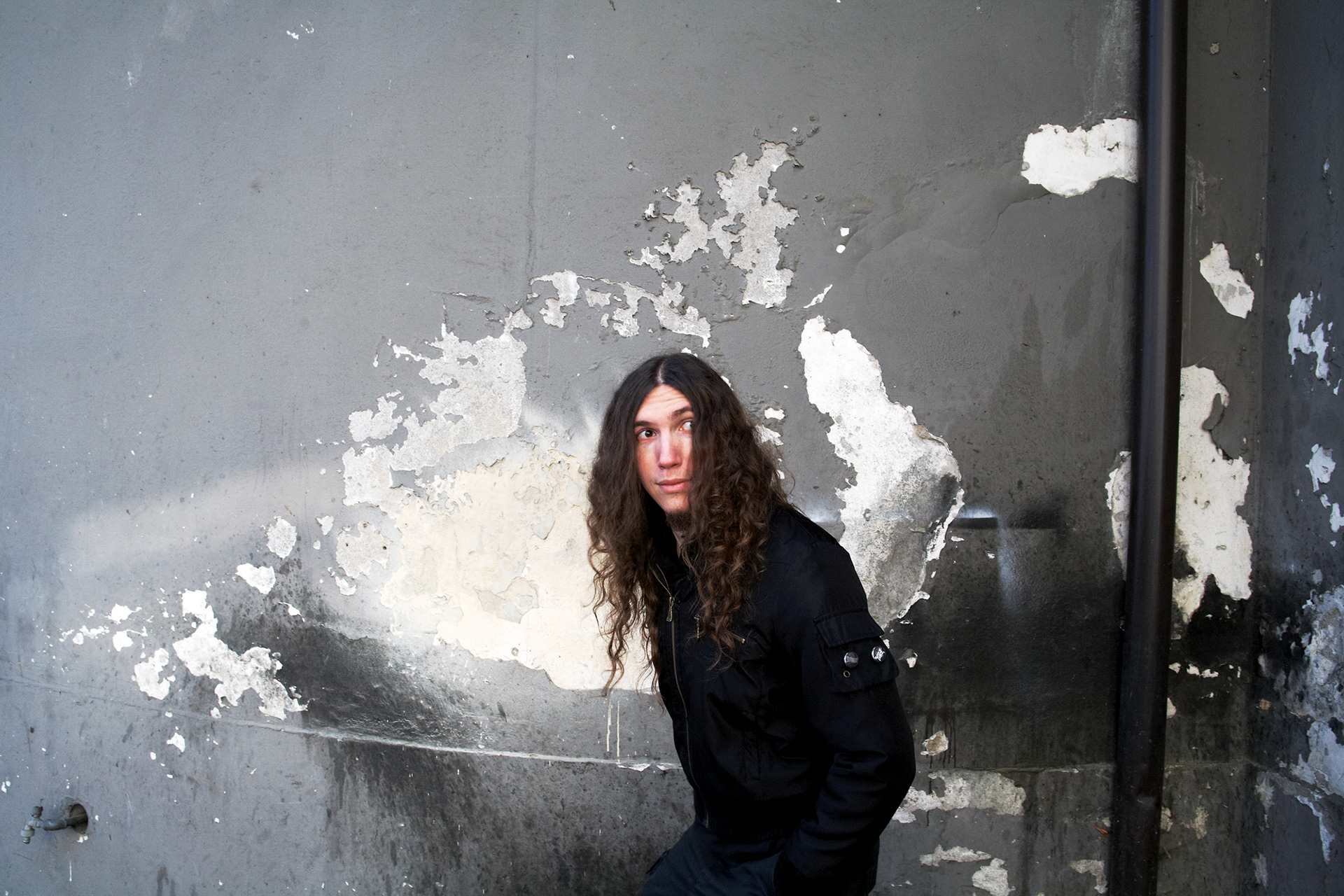
The viewer’s perception of South Tyrol as the land of “The Sound of Music” needs to be challenged and Denis Laner has manged to do this in a subtle and unobtrusive way. He portraits the outsider in a society where everybody is an outsider, without taking their dignity away from them. He manages to capture the different lives and realities that live in South Tyrol door by door but still not together. I hope there will be more courageous artists, writers, intellectuals, politicians like Denis who are not afraid to look behind the beautiful façade.
by Stefanie Verdorfer
by Stefanie Verdorfer